

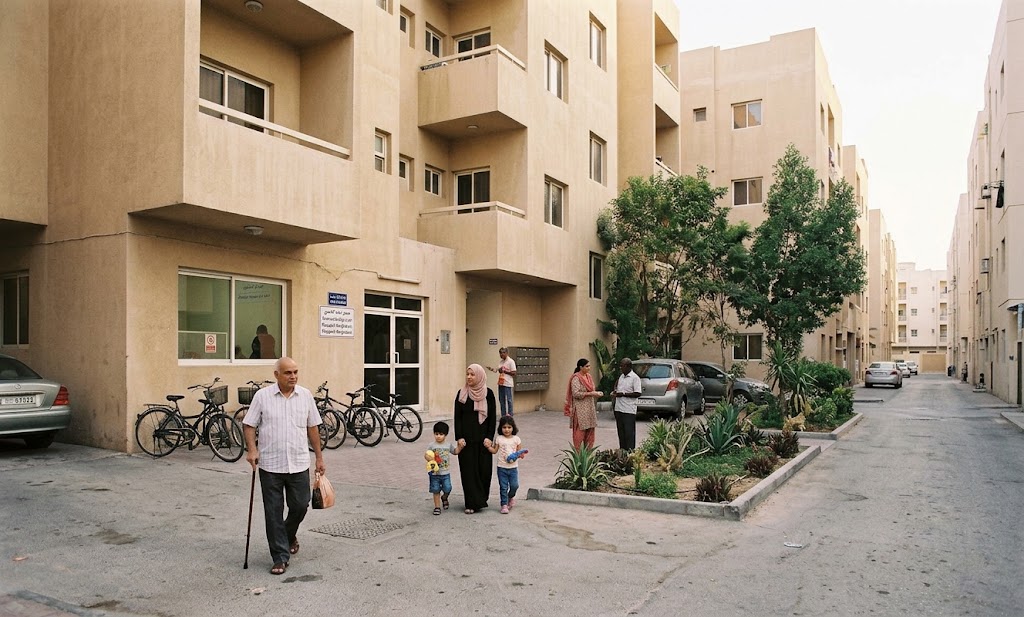
Not every part of Dubai is open to shared housing anymore. Dubai Municipality has now published the areas where it will be permitted, and the list is more specific than most tenants and landlords expected. The goal is to ease overcrowding, particularly in neighbourhoods where blue-collar workers have long been packed into the same units.
If you rent, own, or manage property in Dubai, this affects you.
Families And Bachelors Get Separate Units
Under the new approach, shared housing units will be designated either for families or for individuals. A single unit has to pick one. The two can’t be mixed.
The framework itself has two parts. Individual housing covers shared accommodation among individuals within a unit, or in a single room. Family housing covers more than one family sharing a unit, including common use of the kitchen, dining room, bathroom and outdoor spaces. Both can operate in apartment buildings as well as detached and attached villas.
Where Only Families Can Share
Here’s where it gets restrictive. Properties on major tourist and commercial corridors are limited to family sharing only. That covers Sheikh Zayed Road, Jumeirah Road and Al Wasl Road. A later part of the circular also names Bani Yas Road. In practice, anyone living along these stretches can’t share a room with a single worker or an unrelated individual.
The municipality picked its zones by working through planning studies and urban analysis, not guesswork.
Read More: UAE Sets New Limits On Salt, Sugar & Fat In Everyday Foods With Fines Up To AED 500,000
Areas Where Sharing Is Allowed In Parts
More than 44 areas have been identified in total. In some of them, shared housing is only permitted in designated sections:
Abu Hail, Al Baraha, Al Hamriya, Mankhool, Al Jaffiliya, Al Hudaibiya, Al Satwa, Port Saeed, Hor Al Anz East, Al Mamzar, and Al Qusais Industrial Areas 1 to 5.
If your area is on this list, check exactly which section the permission covers before you commit to anything.
Areas Where It’s Allowed Throughout
In these, shared housing is permitted across the whole area:
Al Ras, Al Dhagata (Deira), Al Bateen, Sabkha, Eyal Nasser, Al Murar, Naif, Al Rigga, Al Muteena, Al Muraqqabat, Riqqa Al Bateen near Dubai Creek, Hor Al Anz, Al Waheeda in Deira, Al Rashidiya, Al Nahda 1, Qusais, Al Twar 5, Al Nahda 2, Muhaisnah 4, Souq Kabeer, Umm Huraiar 1 and 2, Al Rafa, Karama, Oud Metha, Jumeira 1, Al Badaa, Barsha 1, and Al Warqa 1.
What The Rules Require
Location is only the first hurdle. Every unit needs a permit to operate as shared accommodation. Bedrooms must offer at least five square metres per person. The property also needs proper kitchen, bathroom, dining, recreation and laundry facilities. Squeezing extra beds into a room won’t pass.
The Deadline And The Fines
The new rules apply to existing buildings as well as new ones. That’s the part many landlords will want to read twice.
Developers and landlords have until September 8, 2027, to bring their properties into line and regularise their status. After that, violations can bring fines from Dh500 up to Dh500,000.
This zoning is the latest step in a run of housing reforms this year. The foundation was a law passed in February governing how shared housing is managed and occupied, covering permits, leasing and safety. The area list simply tells people where it can actually happen.
Landlords have a clear job ahead: check the zone, secure the permit, and fix the layout. Tenants, meanwhile, should ask to see that permit before signing.
Read More: Keeta Turns One In The UAE: 7 Emirates, Millions Of Orders & A Lot Of Community Love
FAQs
How many areas in Dubai allow shared housing?
More than 44 areas have been identified. Some allow it throughout, while others permit it only in designated parts.
Can I share a flat on Sheikh Zayed Road with a roommate?
Only if it’s family sharing. Sheikh Zayed Road, Jumeirah Road and Al Wasl Road are restricted to family housing, so unrelated individuals can’t share a room there.
What is the minimum room size per person?
Bedrooms must provide at least five square metres per person, along with suitable kitchen, bathroom, dining, recreation and laundry facilities.
When do landlords need to comply?
Existing properties have until September 8, 2027, to regularise their status and obtain the required permit.
What are the penalties for breaking the shared housing rules?
Fines range from Dh500 to Dh500,000, depending on the violation.
