

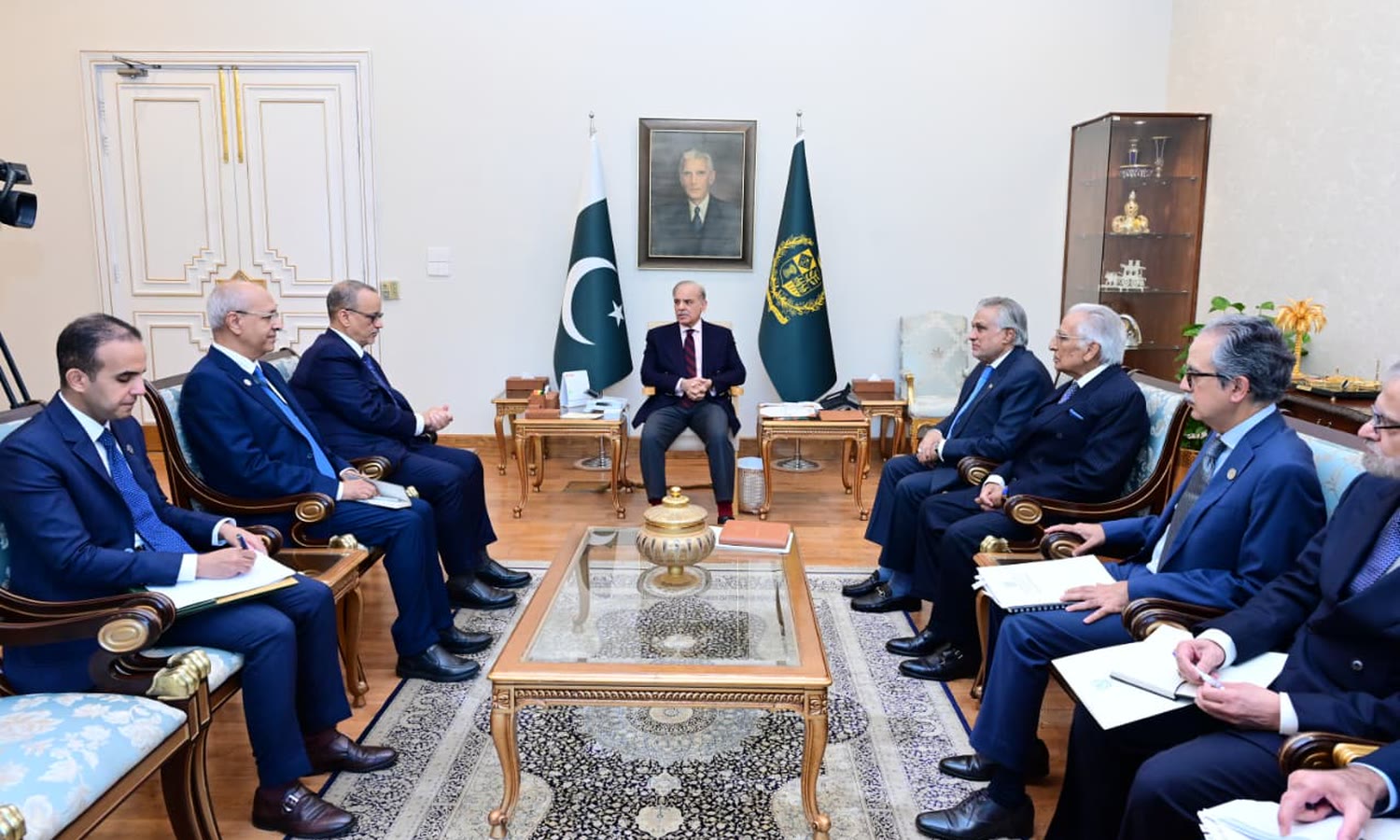
Prime Minister Shehbaz Sharif received the new Secretary-General of the Organisation of Islamic Cooperation (OIC), Ismail Ould Cheikh Ahmed, in Islamabad on Monday, 16 November 2026. The Shehbaz Sharif OIC meeting took place at the Prime Minister’s House. It was Ould Cheikh Ahmed’s first visit to Islamabad since he took charge of the Jeddah-based body. The visit came on the sidelines of the 30th Council of Ministers meeting of the Economic Cooperation Organization (ECO), which Pakistan hosted on 15 and 16 November.
The meeting was short on headline announcements but long on signals. For the millions of Pakistanis who live and work in the UAE, Saudi Arabia and the wider Gulf, it is a useful snapshot. It shows where Pakistan, the OIC and the Gulf states see their shared priorities heading.
What Shehbaz Sharif and the OIC chief discussed
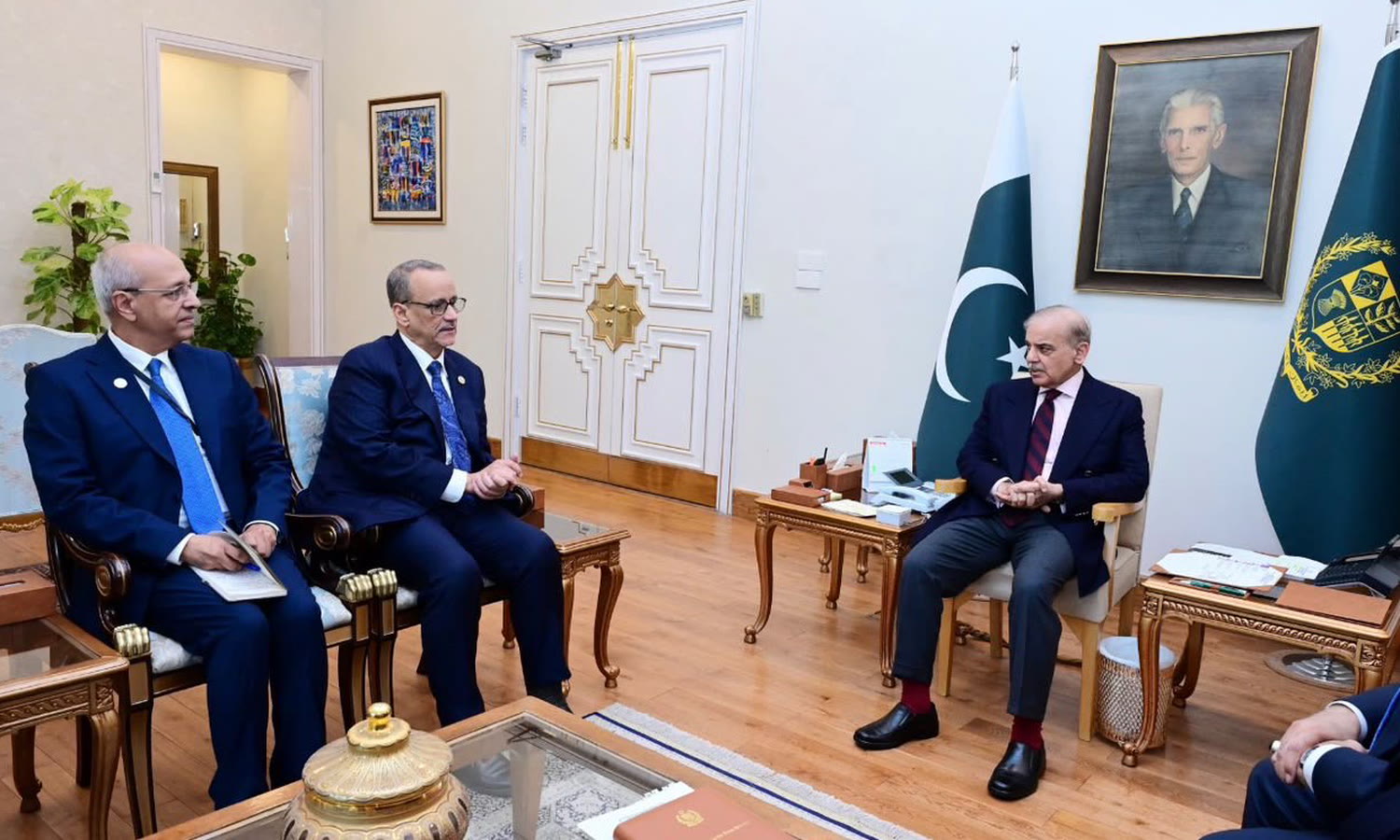
According to the OIC’s own statement, the two sides discussed ways to strengthen cooperation between Pakistan and the organisation. They also talked about how to activate “joint Islamic action” on issues facing member states, including solidarity and sustainable development.
They also reviewed regional and international developments. The OIC listed the situation in Palestine and the Gaza Strip, the Jammu and Kashmir issue, and mediation efforts aimed at security and stability in the region as the main items. Trade, investment, and cooperation in science, technology and education among Muslim-majority countries were also on the table.
The Prime Minister’s Office release, carried by the Associated Press of Pakistan, said Shehbaz Sharif told the Secretary-General that Pakistan was honoured to take a leading role on collective challenges. He added that Pakistan was always prepared to support the OIC’s efforts. He welcomed Ould Cheikh Ahmed on his first visit since assuming office and said his election by consensus showed the confidence member states had placed in him.
The Secretary-General, in turn, appreciated Pakistan’s efforts for peace and stability in the region. The OIC statement adds that he thanked the government and people of Pakistan for their support of the organisation’s work and praised Pakistan’s role in international mediation. Both sides reiterated their support for the people of Palestine and of Jammu and Kashmir.
Who is the new OIC Secretary-General?
Ismail Ould Cheikh Ahmed is a Mauritanian diplomat and a former foreign minister of Mauritania. Many Gulf readers will know the name from his years as the United Nations Special Envoy for Yemen. Member states elected him OIC Secretary-General by consensus earlier this year. Pakistan’s Deputy Prime Minister and Foreign Minister Ishaq Dar congratulated him on the election in a phone call reported by Radio Pakistan on 3 September 2026.
The OIC describes itself as the second-largest intergovernmental organisation after the United Nations, with 57 member states. Its General Secretariat is in Jeddah, Saudi Arabia, and all six Gulf Cooperation Council countries are members, as is Pakistan.
A busy two days in Islamabad
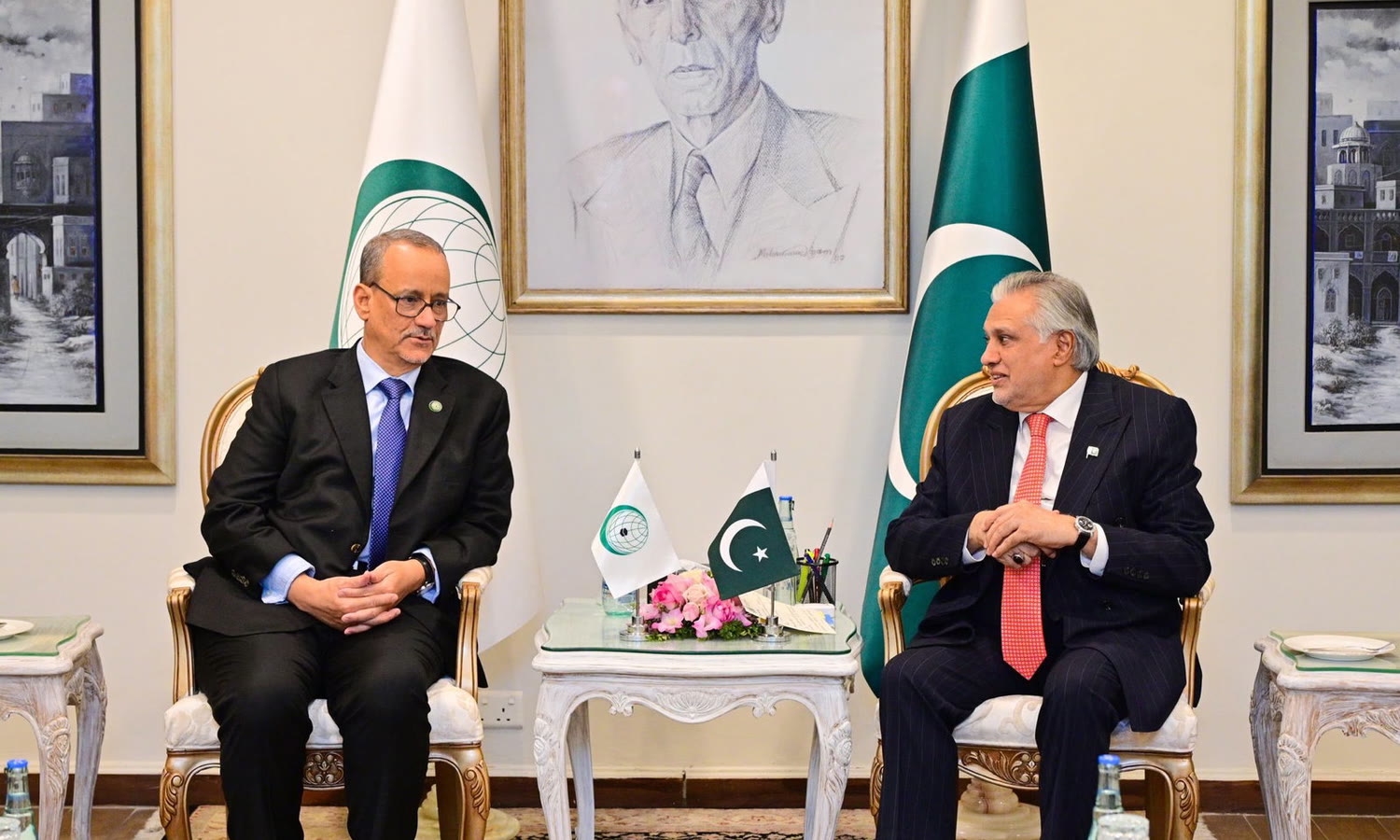
The meeting with the Prime Minister was one of several the Secretary-General held during the ECO ministerial meeting. At the Ministry of Foreign Affairs, Ishaq Dar received him. According to the OIC, the two discussed cooperation between Pakistan and the organisation and the latest developments in Jammu and Kashmir. They also covered the Secretary-General’s reform vision and work programme for the OIC over the coming years. He also thanked Pakistan for its continued support of COMSTECH, the OIC’s science and technology committee.
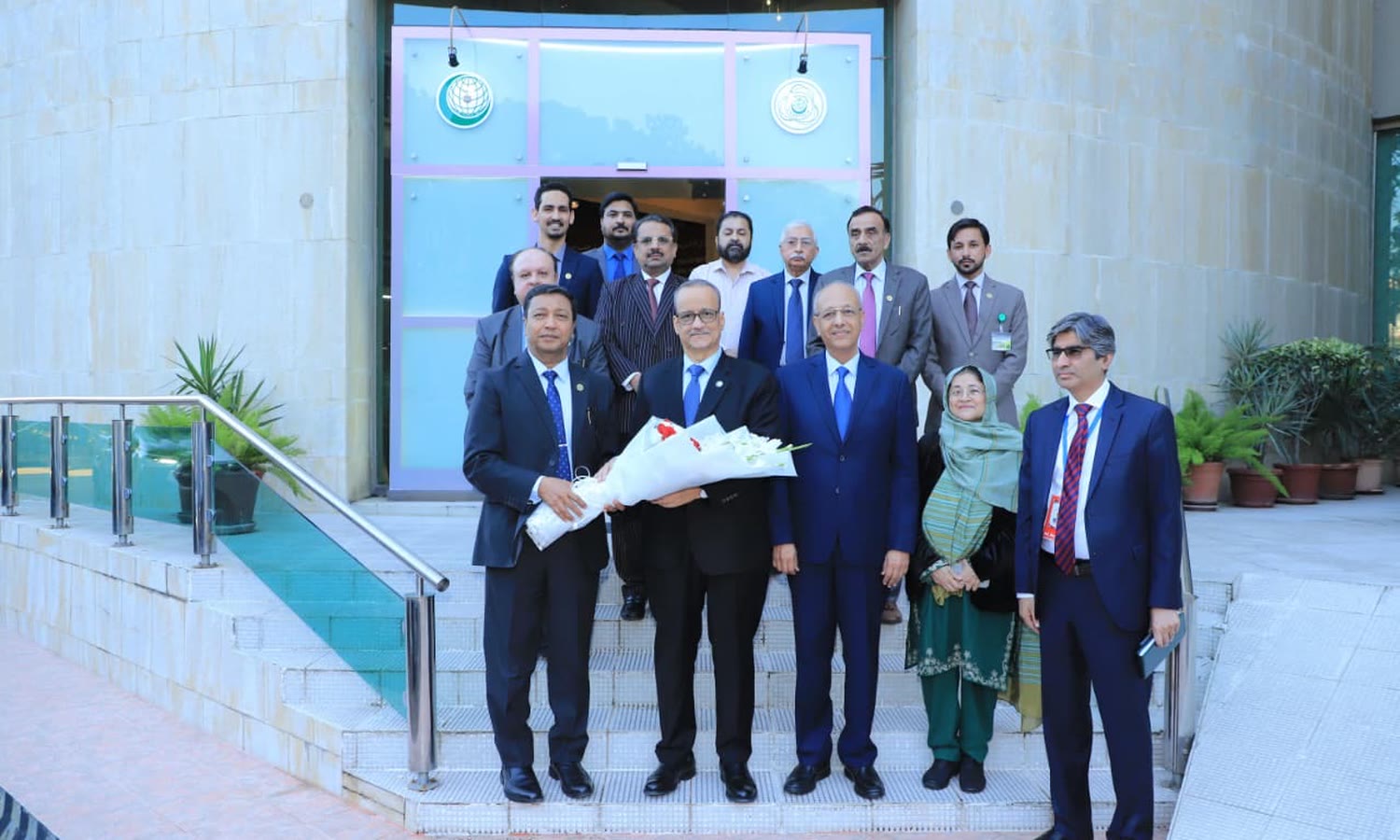
He then visited the COMSTECH Secretariat in Islamabad. There, Coordinator General Professor Dr Muhammad Iqbal Choudhary briefed him on its training programmes, scientific fellowships and projects for researchers in OIC member states. Radio Pakistan reported that the Secretary-General underlined the importance of science and technology in meeting the challenges facing Muslim countries and pledged support for COMSTECH’s programmes.
What the ECO speech says about trade
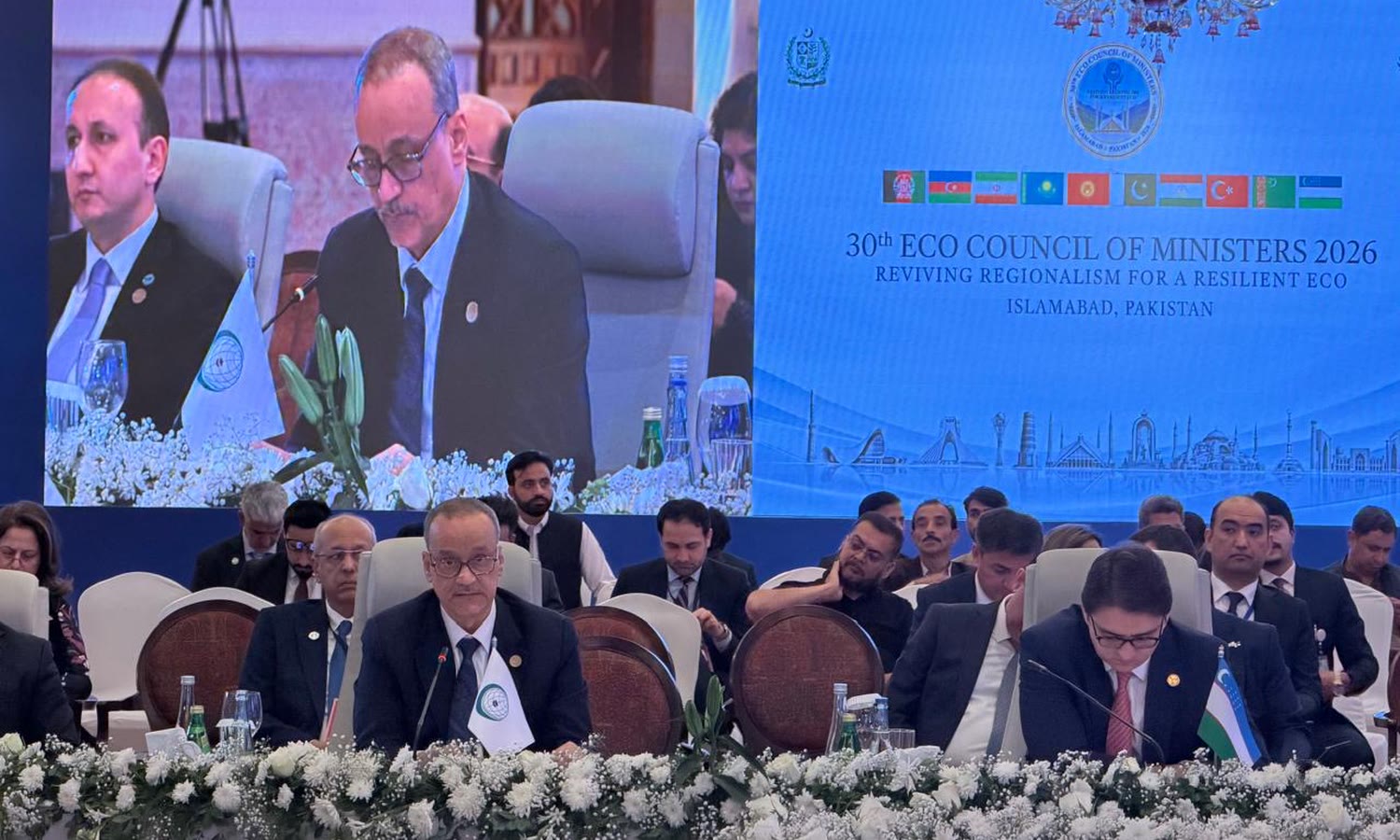
The most concrete numbers of the visit came in the Secretary-General’s speech to the opening session of the ECO Council of Ministers. According to the OIC, he said intra-regional trade stood at 19.57% in 2025 and called for it to reach a 25% target. He set out four priorities for closer work between the two organisations:
- more intra-regional trade, with logistics and digital connectivity corridors;
- faster economic diversification and a move towards a knowledge-based economy and artificial intelligence, with support from OIC institutions such as the Islamic Development Bank and COMSTECH;
- stronger food and energy security, a bigger halal economy and common halal standards;
- investment in human capital and more economic participation for young people and women.
He also commended Pakistan’s diplomatic efforts to promote peace and de-escalation in the Middle East.
Why the Shehbaz Sharif OIC meeting matters for Pakistanis in the Gulf
Nothing announced in Islamabad changes visas, jobs or remittances for Pakistani residents in the UAE or Saudi Arabia. The value of the meeting is in the direction it points to.
First, the OIC is a Gulf-hosted organisation. Its headquarters is in Jeddah, and the Gulf states are among its most active members. When Pakistan’s leadership and the OIC chief agree that the organisation should “lead collective efforts” on the Muslim world’s critical issues, the Gulf capitals sit at the centre of that work.
Second, the visit fits a year of closer Pakistan–Gulf coordination. In the same September call, Radio Pakistan reported that the Secretary-General congratulated Ishaq Dar on the signing of the Makkah Joint Defence Agreement between Pakistan, Saudi Arabia and Türkiye. He also commended Pakistan’s leadership for efforts to end the Iran conflict, a theme repeated in Islamabad this week with praise for Pakistan’s mediation role.
Third, the economic agenda is relevant to the Gulf’s large Pakistani business community. Trade corridors, halal standards, food security and skills are all areas where Gulf investors and Pakistani traders already work together. In these areas, OIC-level coordination could eventually make cross-border business simpler. For now these are priorities, not policies, and neither side announced timelines.
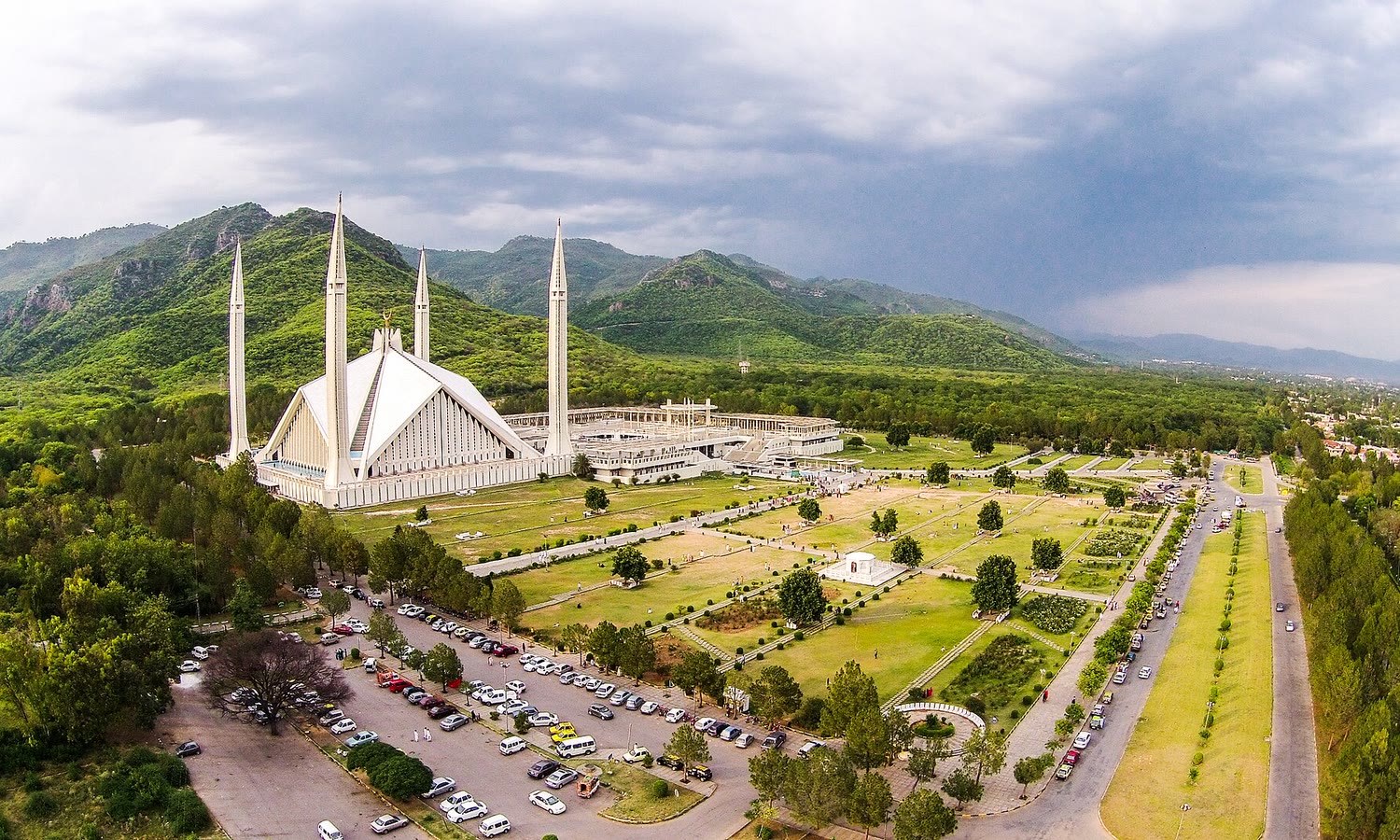
The ties are visible in Islamabad itself. The city’s landmark Faisal Mosque takes its name from Saudi Arabia’s late King Faisal, a reminder of how long the Gulf and Pakistan have been linked. Readers following developments in the Kingdom can find more in our Saudi Arabia news section.
Frequently asked questions
When and where did Shehbaz Sharif meet the OIC Secretary-General?
The meeting took place at the Prime Minister’s House in Islamabad on Monday, 16 November 2026, on the sidelines of the 30th ECO Council of Ministers meeting.
Who is the current OIC Secretary-General?
Ismail Ould Cheikh Ahmed, a Mauritanian diplomat, former foreign minister of Mauritania and former UN Special Envoy for Yemen. Member states elected him by consensus in 2026.
What topics were discussed?
Cooperation between Pakistan and the OIC, Palestine and Gaza, Jammu and Kashmir, regional mediation efforts, and trade, investment, science, technology and education among member states.
Where is the OIC headquartered?
The OIC General Secretariat is in Jeddah, Saudi Arabia. The organisation has 57 member states, including Pakistan and all six GCC countries.
Does the meeting change anything for Pakistani expats in the UAE or Saudi Arabia?
No. Neither side announced new visa, labour or remittance measures. The meeting set out shared priorities rather than new rules.
What is COMSTECH?
COMSTECH is the OIC Standing Committee on Scientific and Technological Cooperation, based in Islamabad. It runs training programmes, scientific fellowships and research projects for OIC member states.
