

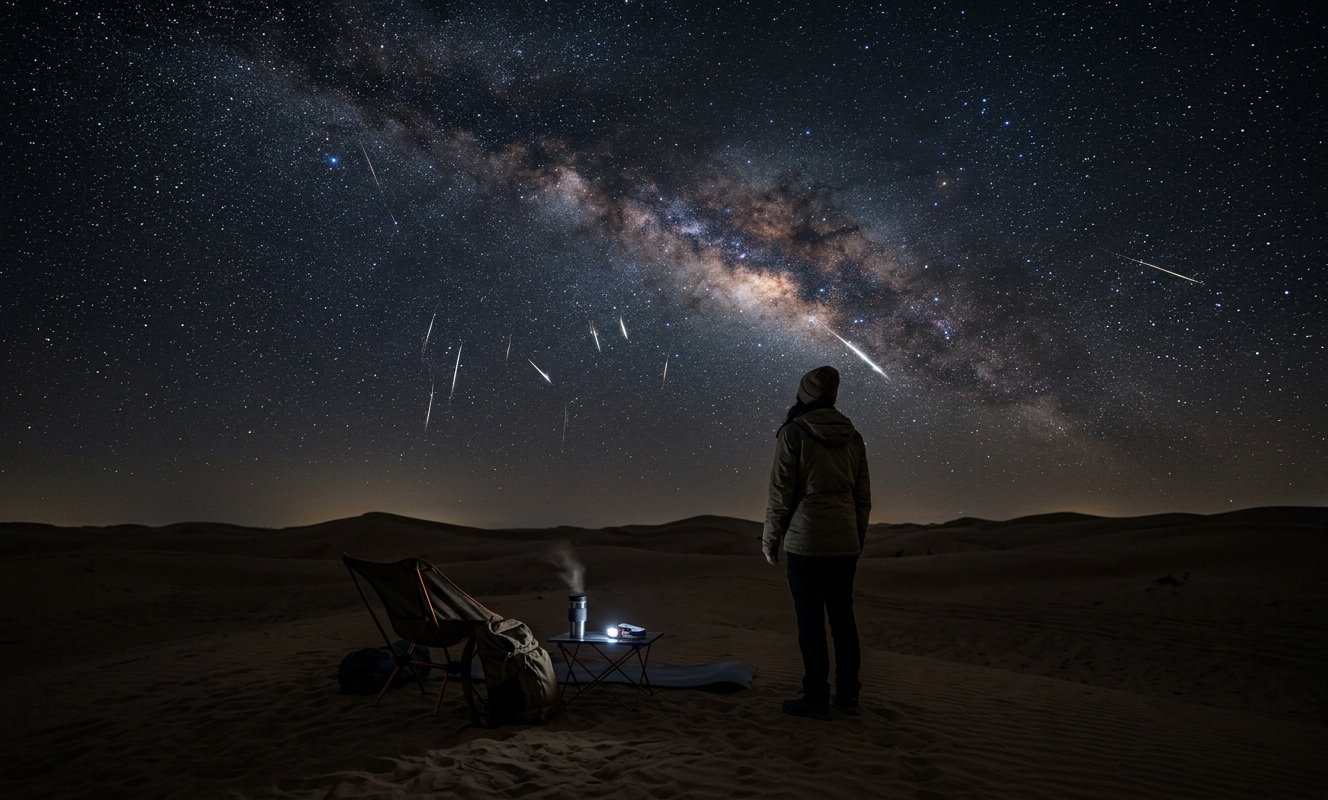
Stargazers across the UAE have a chance to catch the Orionid meteor shower as it reaches its annual peak overnight from October 21 to 22, 2026. The celestial event is caused by Earth passing through debris left behind by Halley’s Comet, creating bright streaks of light across the night sky.
Under ideal dark-sky conditions, observers may see around 10 to 20 meteors per hour. However, a bright Moon could hide some of the fainter meteors during the first part of the night, making the hours before dawn a better opportunity to watch the display. NASA and UAE astronomy reports identify October 21–22 as the main viewing period this year.
If you are planning a late-night drive or a stargazing session, here are some of the best places to see the Orionid meteor shower in the UAE, along with the ideal viewing time and tips for making the most of the experience.
When Is the Orionid Meteor Shower in the UAE?
The Orionids are active from October 2 to November 7, 2026, with the main peak expected overnight on October 21–22.
For UAE residents, the most useful viewing window is after midnight and into the early morning of October 22. The Moon will be bright earlier in the night, potentially making faint meteors harder to spot. In Dubai, the Moon is expected to set at approximately 2:26am, leaving a darker window before dawn.
Here are the key details to know before heading out:
- Peak night: October 21–22, 2026
- Best viewing period: After midnight, particularly after moonset
- Potential meteor rate: Around 10–20 meteors per hour under ideal conditions
- Parent comet: Halley’s Comet
- Equipment required: None; the meteors can be seen with the naked eye
These figures describe favourable observing conditions, not a guaranteed number of meteors. Actual visibility depends on cloud cover, haze, light pollution and the observer’s location.
Read More: UAE National Day Holidays 2026: How to Plan 9 Days Off With 3 Leave Days
Best Places to See the Orionid Meteor Shower in the UAE
The best viewing spot is somewhere with a wide view of the sky and minimal artificial light. Desert locations generally offer better conditions than brightly lit urban areas, although access, weather and local restrictions should always be considered.
1. Al Qudra Desert, Dubai
Al Qudra Desert is one of the most convenient options for Dubai residents who want to escape the city’s bright skyline without travelling to another emirate.
Its open desert surroundings provide plenty of space to watch the night sky. Al Qudra is also a regular location for organised astronomy experiences, making it a practical choice for beginners who prefer a guided session.
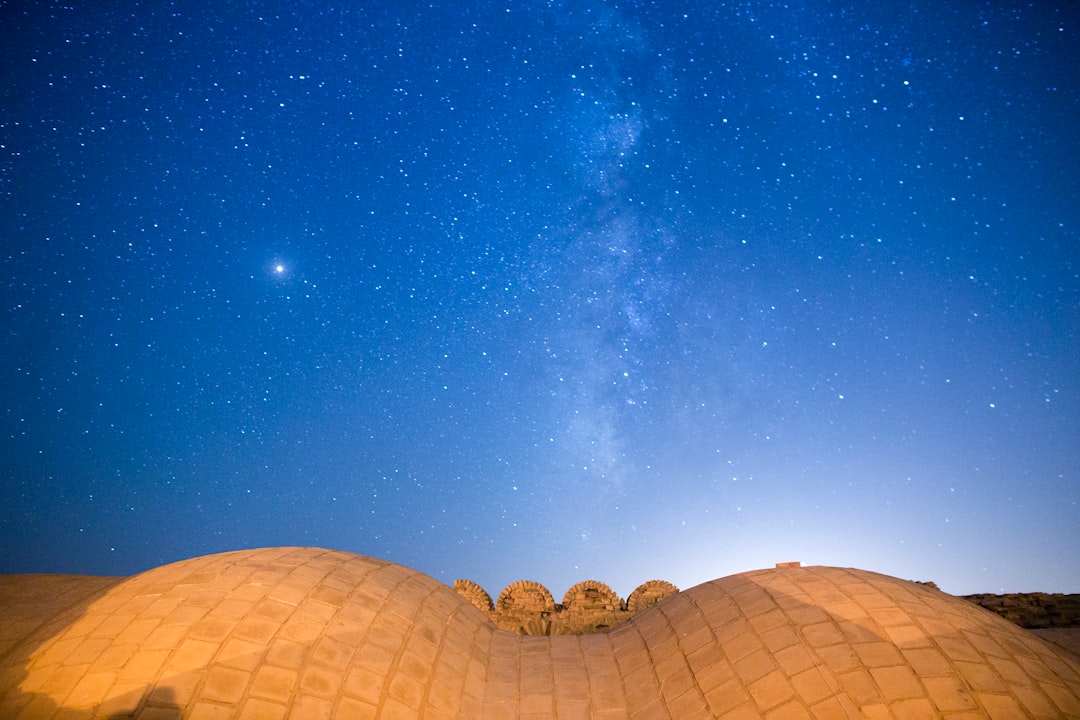
The Dubai Astronomy Group has listed an Orionid meteor shower event at Al Qudra for October 21–22, running from 10pm to 2am. The advertised programme includes guided astronomy, telescope observations, astrophotography and sky mapping, with listed ticket prices ranging from AED 150 to AED 180. Check the organiser’s event page for current availability and booking details before travelling.
Best for: Dubai residents, beginners and people interested in a guided stargazing experience.
2. Al Quaa Milky Way Spot, Abu Dhabi
For those willing to travel farther from the city, the Al Quaa Milky Way Spot is one of the UAE’s best-known dark-sky destinations.
Its remote setting offers a significant advantage over city locations because there is less artificial light competing with faint celestial objects. This makes it a strong option for watching meteors, particularly during the darker hours before dawn.
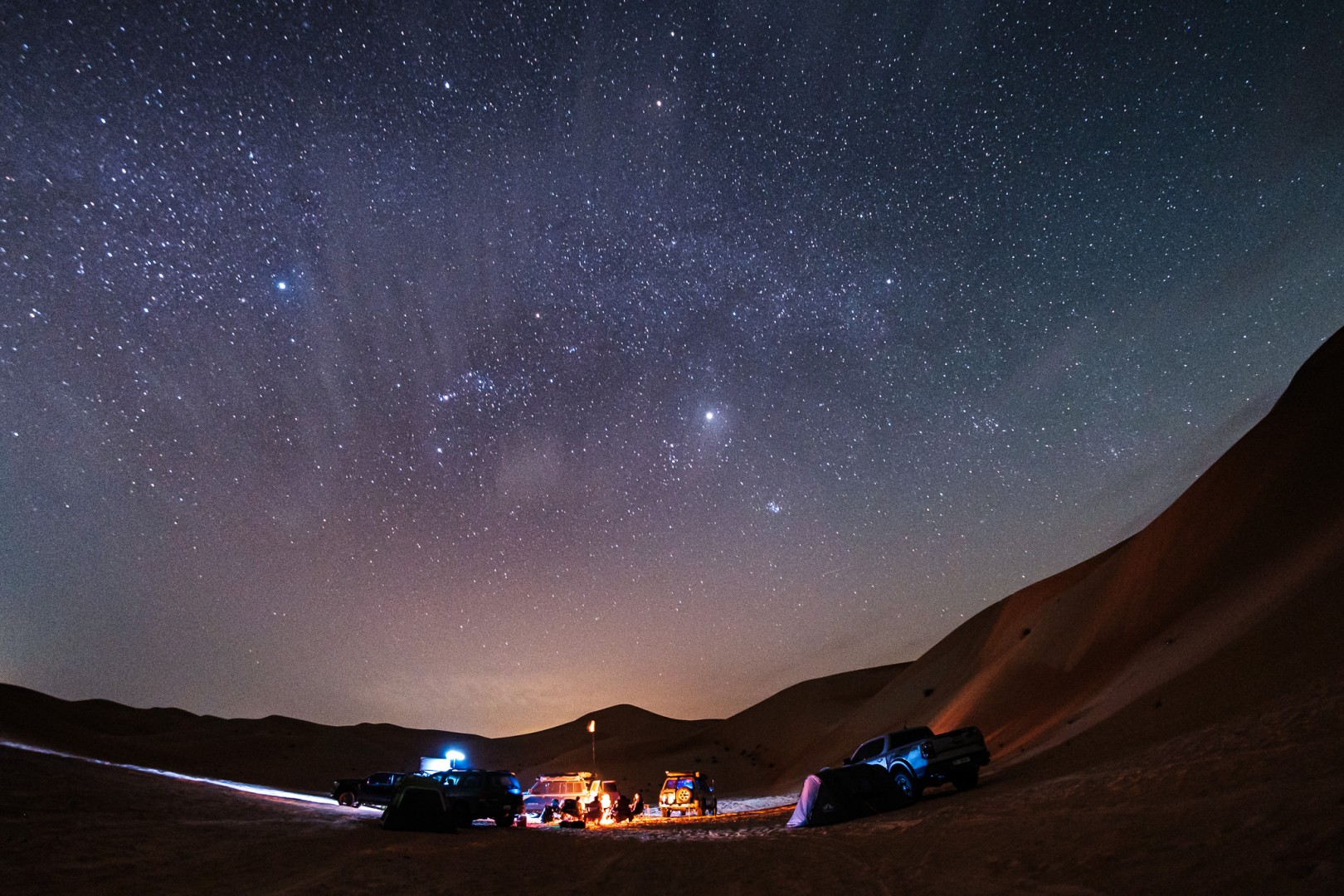
The location requires more preparation than an easily accessible urban destination. Check your route in advance, carry sufficient water and supplies, and make sure you understand the road and terrain conditions before setting out at night.
The Dubai Astronomy Group has identified Al Quaa as an authorised location for independent stargazing. Check current access guidance before visiting.
Best for: Experienced stargazers and visitors prepared for a longer journey to seek darker skies.
3. Mleiha, Sharjah
Mleiha is another option for people who want to combine a desert outing with a night under the stars. The surrounding landscape offers a more open setting than the centre of a major city, making it worth considering for meteor watching when skies are clear.
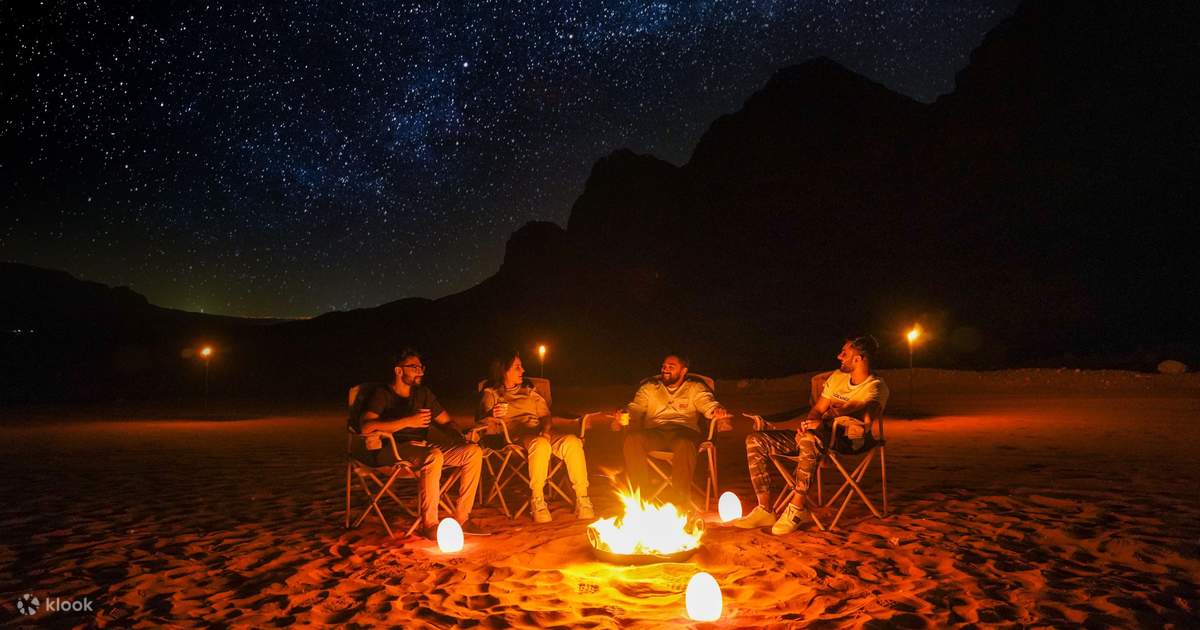
Before making plans, check whether the specific site you intend to visit permits independent night-time access. Some astronomy experiences in the area are organised activities with their own schedules, entry arrangements and fees.
For the best chance of seeing meteors, choose a location away from direct lighting and make sure the sky has a broad, unobstructed view.
Best for: Sharjah residents and visitors looking for a desert stargazing experience.
4. Jebel Jais, Ras Al Khaimah
Jebel Jais offers a mountain setting with expansive views and a different atmosphere from the UAE’s desert locations. It can be an appealing option for stargazing when the weather is clear and visibility is good.
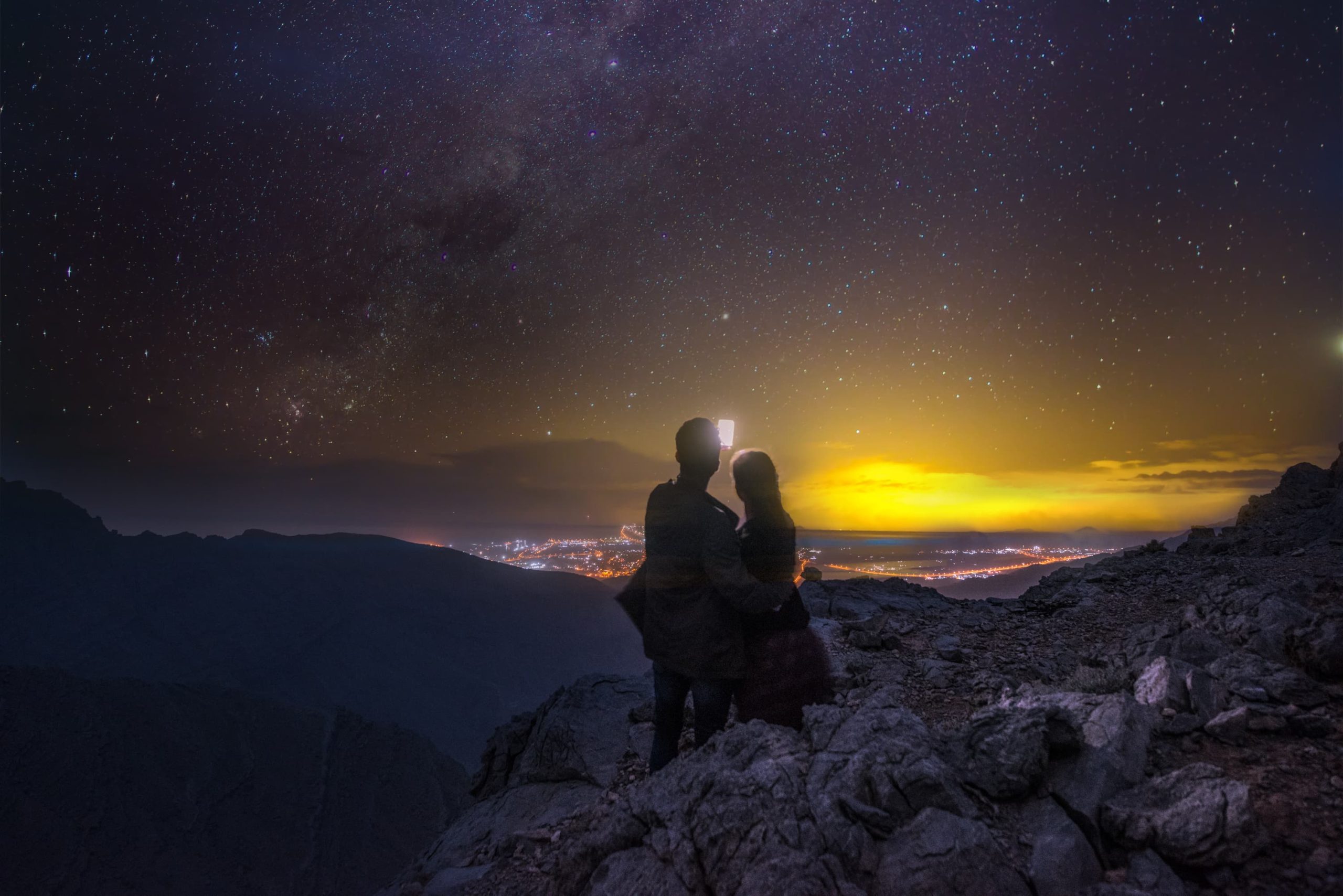
However, higher elevation does not automatically guarantee better meteor visibility. Clouds, haze, local lighting and weather conditions can still affect what you see.
If you plan to watch from Jebel Jais, use designated stopping areas, check road and weather conditions, and avoid stopping in unsafe locations along mountain roads.
Best for: Visitors who prefer a mountain setting and can confirm suitable weather and safe access.
What Is the Best Time to Watch the Orionids?
Although the shower peaks overnight on October 21–22, the early evening is not necessarily the best time to see it.
The Moon will be bright during much of the night, reducing the visibility of fainter meteors. In Dubai, the Moon is expected to set at around 2:26am on October 22. A practical plan is to arrive at your chosen location well before then, settle in safely and continue watching after moonset.
The period between approximately 3am and dawn offers a useful opportunity, weather permitting. Allow time for your eyes to adjust to the darkness and avoid looking at bright phone screens.
The Orionids are named after the constellation Orion, which appears to be the point from which the meteors radiate. However, you do not need to stare directly at Orion. Meteors can streak across a wide area of the sky, so looking at a broad section of the sky gives you a better chance of spotting them.
How to Watch the Orionid Meteor Shower
You do not need a telescope or specialist equipment to enjoy a meteor shower. In fact, the naked eye is often the best way to watch because it gives you a much wider field of view.
Follow these tips for a more comfortable experience:
Choose a Dark Location
Get away from streetlights, illuminated buildings and bright car parks. The darker the surrounding environment, the easier it will be to spot fainter meteors.
Give Your Eyes Time to Adjust
Allow around 20 to 30 minutes for your eyes to adapt to the dark. Avoid repeatedly checking your phone, as a bright screen can make it harder to see faint streaks.
Look Across the Sky
The meteors appear to originate near Orion, but they can travel across different parts of the sky. Find a comfortable position with a wide view rather than focusing on one small area.
Bring Comfortable Seating and Supplies
A reclining chair or mat can make a long viewing session more comfortable. Carry drinking water, snacks and a light layer for the late-night hours.
Check the Weather Before Leaving
Clear skies are essential. Haze, clouds and humidity can affect visibility, so check local weather conditions before committing to a long drive.
Prioritise Safety
Use suitable, permitted viewing areas and follow local access rules. If travelling into the desert, plan your route, carry enough supplies and avoid attempting unfamiliar off-road routes without the appropriate vehicle and experience.
Do You Need a Telescope to See the Orionids?
No. The Orionids are best enjoyed with the naked eye because meteors can appear anywhere across the sky.
A telescope has a narrow field of view, which makes it less practical for tracking fast-moving meteors. Binoculars are not necessary either.
If you want to learn more about the constellations or take part in a structured observing session, an organised astronomy event can provide additional guidance and equipment for other celestial observations.
Why Is the Orionid Meteor Shower Special?
The Orionids are created when Earth passes through a stream of dust and small particles left behind by Halley’s Comet. As these particles enter Earth’s atmosphere at high speed, they heat up and produce the bright streaks commonly called shooting stars.
The meteors travel at approximately 66 kilometres per second, making the Orionids one of the faster annual meteor showers. Some brighter meteors can leave glowing trails that remain visible briefly after the meteor has passed.
Halley’s Comet last passed through the inner Solar System in 1986 and is expected to return in 2061. Its debris continues to produce the Orionids each year, giving observers an opportunity to see a small part of the comet’s legacy without needing to see the comet itself.
Read More: Dubai Fitness Challenge Begins October 31: Where To Find Free Fitness Activities
Frequently Asked Questions
Can the Orionid meteor shower be seen from Dubai?
Yes. The Orionids can be observed from Dubai and other parts of the UAE when skies are clear. However, city lights make faint meteors harder to see, so a darker location such as Al Qudra Desert can offer better viewing conditions.
What time should I watch the Orionids in the UAE?
The shower peaks overnight on October 21–22, 2026. After midnight is a useful starting point, with conditions expected to improve after the Moon sets. In Dubai, moonset is expected at approximately 2:26am on October 22, although conditions vary by location.
How many meteors will I see per hour?
Under ideal dark-sky conditions, observers may see around 10 to 20 meteors per hour. This is not a guarantee. Moonlight, haze, cloud cover and light pollution can reduce the number visible.
Is the Orionid meteor shower visible without a telescope?
Yes. The naked eye is ideal for meteor watching because the meteors can streak across a large part of the sky.
Where is the darkest place to watch the Orionids in the UAE?
Al Quaa Milky Way Spot in Abu Dhabi is widely known for its dark skies. Al Qudra Desert is a more convenient option for many Dubai residents, while Mleiha in Sharjah is another location to consider. Always check access rules and local conditions before travelling.
Will the Orionid meteor shower still be visible after October 22?
Yes. The Orionids remain active until around November 7, 2026, although the peak overnight on October 21–22 offers the main opportunity to watch the shower. You may still spot meteors on other nights, depending on sky conditions.
Plan Your Orionid Stargazing Night
The Orionid meteor shower offers UAE residents an opportunity to enjoy one of the year’s recurring celestial events without needing specialist equipment. For a convenient trip from Dubai, consider Al Qudra Desert; for darker skies farther from major urban areas, Al Quaa is another option. Mleiha and Jebel Jais may also appeal to stargazers who prefer a different landscape.
For the best chance of spotting meteors, choose a safe, dark location, check the weather and plan to watch after midnight. With patience and a clear sky, you may catch bright streaks left by debris from one of the Solar System’s most famous comets.
