

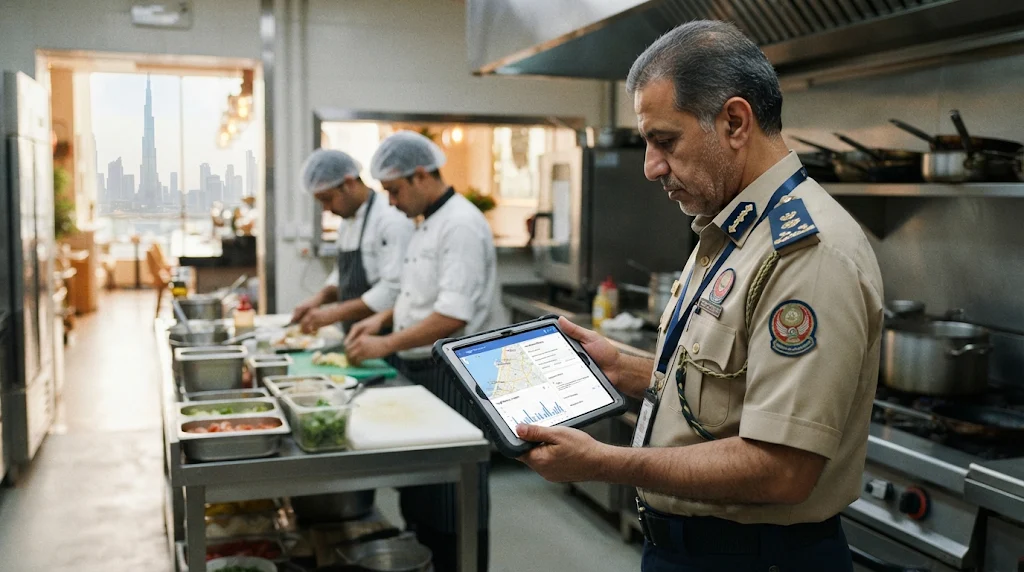
Quick answer: Dubai Municipality has launched intelSPECT, an AI tool that reads public reviews, including Google reviews, to spot signs of food poisoning, pests, cross-contamination and poor hygiene. Serious flags can lead to an immediate inspection. Inspectors log less serious ones for a scheduled visit. In addition, the municipality plans cameras inside restaurants, although it has not shared details yet.
A one-star review used to be a problem between a restaurant and its customers. In Dubai, it can now reach the regulator too. Dubai Municipality unveiled its Dubai AI Google reviews analysis at the 20th Dubai International Food Safety Conference at Dubai World Trade Centre, which runs from 16 to 18 November 2026. Most coverage has stopped at “AI reads reviews”. However, this guide goes a step further and looks at what actually gets flagged, and what diners and restaurant owners should do about it.
How Dubai’s AI reads Google reviews
The municipality calls the tool intelSPECT, short for “intelligently inspect”. According to reporting by Tbreak and Khaleej Times, it uses natural language processing to collect and analyse what customers write about restaurants online. Instead of waiting for a formal complaint, it looks for patterns that suggest a place needs a closer look.
First, the system gives each concern a risk score. Officials can then also spot links between cases, for example several complaints about the same cuisine or the same group of restaurants. Bobby Krishna, Principal Food Safety Specialist at Dubai Municipality, described it as a tool designed for foresight rather than complaint monitoring.
What triggers a restaurant inspection in Dubai
Based on the categories Dubai Municipality has described, here is how inspectors are likely to treat review content. However, the municipality has not published exact thresholds.
| What reviewers mention | Category | Likely response |
|---|---|---|
| Vomiting, stomach upset or illness after a meal | Food poisoning | Critical: can trigger immediate inspection or enforcement |
| Cockroaches, rats or insects seen on site or in food | Pest sighting | Critical: can trigger immediate inspection |
| Raw and cooked food handled together, allergen mix-ups | Cross-contamination | High priority, depending on detail and frequency |
| Dirty toilets, broken fridges, leaks, mould | Structural hygiene failure | Logged for a scheduled investigation |
| Slow service, rude staff, high prices | Not a food safety issue | Unlikely to matter to inspectors |
For example, one review on its own is unlikely to bring an inspector to the door. Repeated, specific complaints are what move a restaurant up the list.
Read More: UAE Sets New Limits On Salt, Sugar & Fat In Everyday Foods With Fines Up To AED 500,000
What restaurant owners should do now
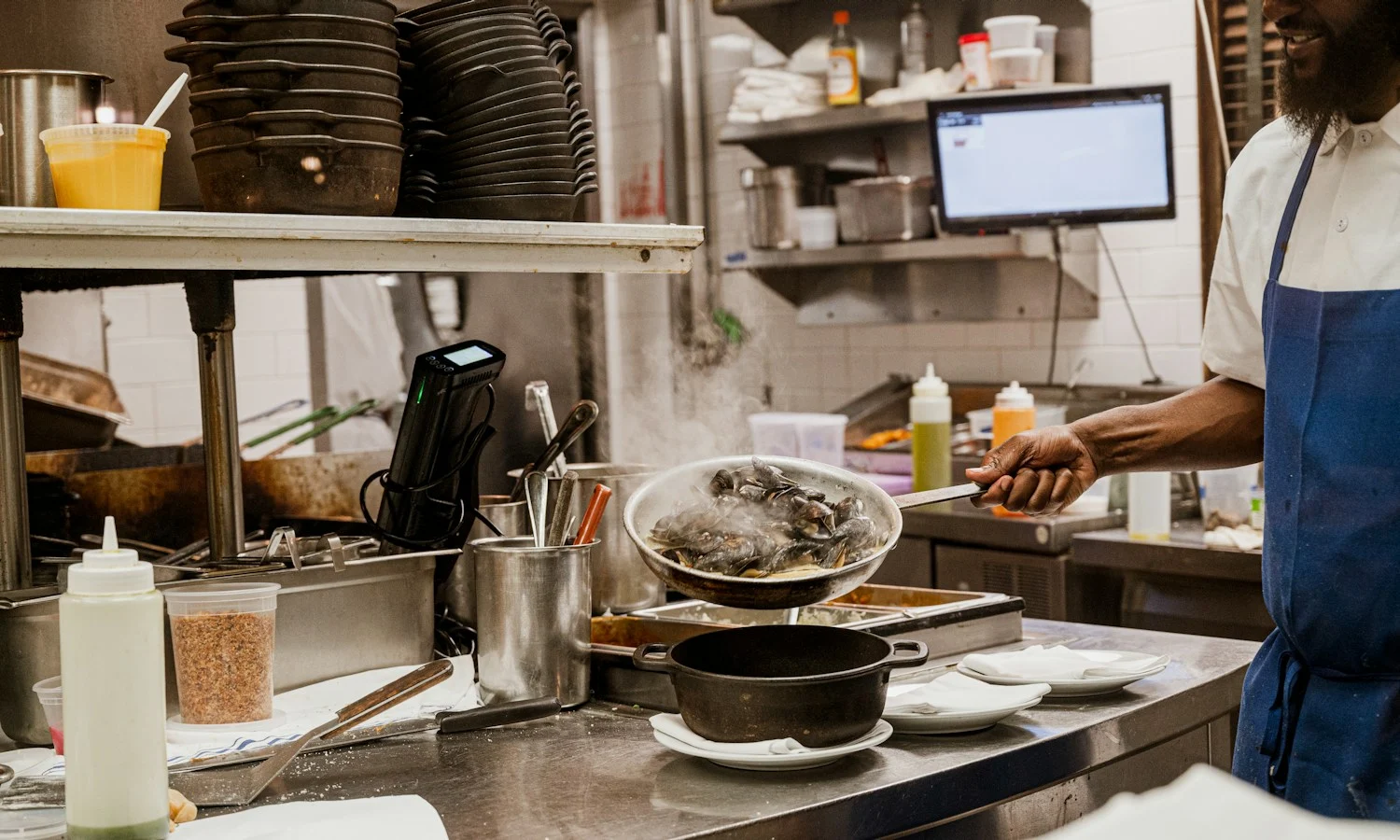
Dr Naseem Mohammed Rafee, Acting CEO of the Environment, Health and Safety Agency at Dubai Municipality, said the aim is to move from reactive inspections to proactive ones. For owners, that means reviews are now part of your food safety record. A practical checklist:
- Read every review weekly. Search your reviews for words like “sick”, “poisoning”, “cockroach” and “hair”.
- Act on the kitchen, not just the reply. Fix the cause, then record what you changed and when.
- Reply calmly and in public. Thank the guest, explain the steps you took and invite them to contact you directly.
- Never post fake reviews or pay to bury bad ones. It breaks Google’s rules and will not change what inspectors find.
- Use official channels. Dubai Municipality says restaurants can be engaged through its DM Checked platform to raise concerns and carry out corrective measures.
What Dubai’s AI Google reviews check means for diners
As a result, your reviews now carry more weight, so be specific and fair. Say what you ate, when, and what happened. If you think you got food poisoning, report it directly to Dubai Municipality as well, through its 800900 call centre or app. Official reporting channels still exist, and they are the fastest route for a serious case.
What about cameras in restaurants?
Dubai Municipality also plans to place cameras across restaurant premises to collect operational data, so problems can be fixed before an inspector visits. So far, however, the municipality has not said what they will record, how many there will be, what privacy rules will apply or when they will start.
Read More: Mohalla Canteen, Al Nahda Review: Cutting Chai, Mutton Naan Chaap and an Old Bombay Vibe
Pro Tip
Restaurant owners: set up a free Google Alert or a weekly reminder to export your newest reviews into a simple spreadsheet with a “food safety” column. If a pattern appears, you will see it before the regulator does.
Our Take
Using public reviews as an early warning system is smart, because diners often notice problems long before anyone files a complaint. The risk is unfair or fake reviews. Dubai’s approach of scoring risk and looking for patterns, rather than reacting to single posts, should keep that in check. Clear rules on the planned cameras will matter just as much.
FAQs
Does Dubai Municipality really read Google reviews?
Yes. Its intelSPECT AI tool analyses online reviews, including Google reviews, to flag food safety risks.
Can one bad review close a restaurant in Dubai?
Unlikely. The system scores each flag, so serious or repeated complaints are what usually lead to inspections.
Does the AI affect a restaurant’s hygiene grade?
Reports so far do not say whether review analysis feeds directly into a restaurant’s grade.
How do I report food poisoning in Dubai?
Contact Dubai Municipality through its 800900 call centre or its official app and website.
